Most Germantown houses heat with gas
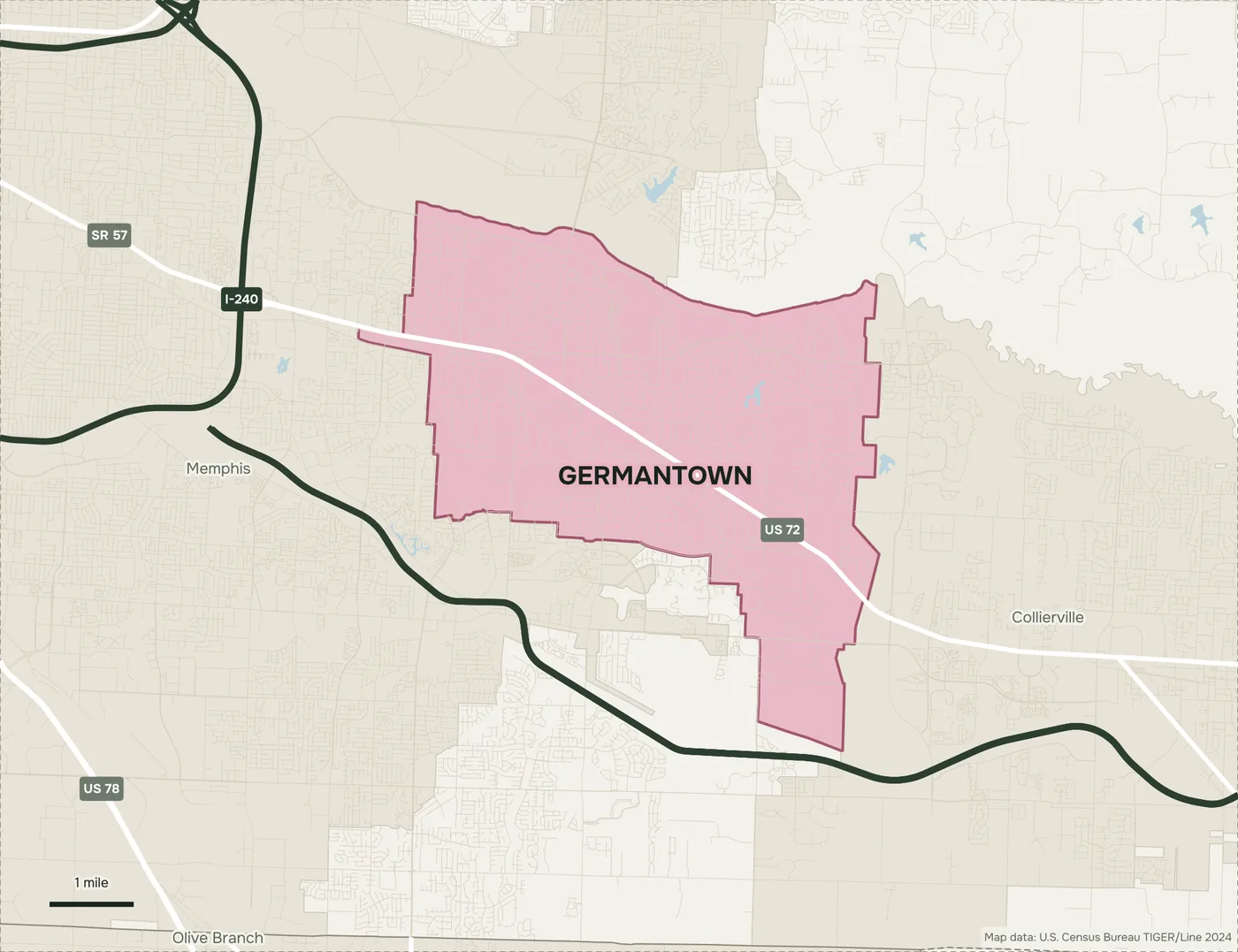
About two-thirds of Germantown homes heat with MLGW gas, according to the Census Bureau, and the typical house here was built around 1983. That combination shapes most heat pump jobs in town.
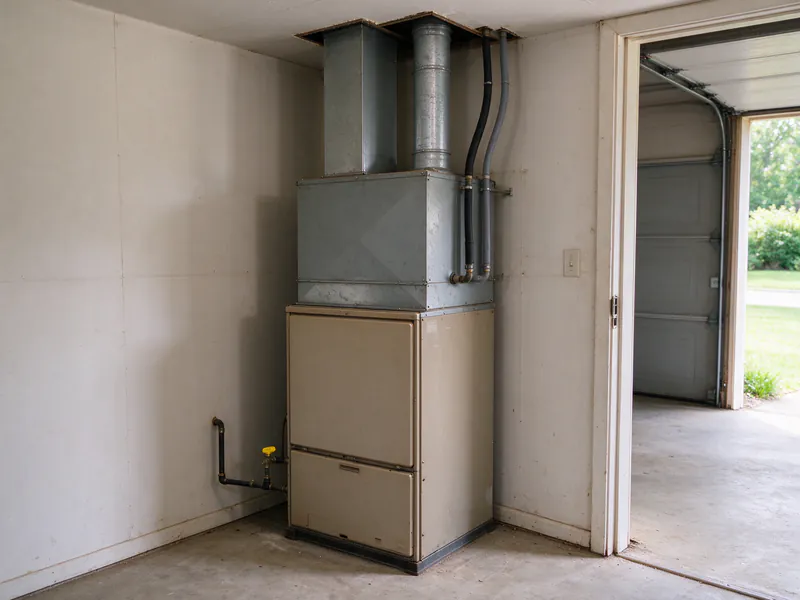
In a 1980s Germantown house, the furnace may have been replaced once while the AC is older, or has just quit. Bluffline Memphis Heat Pumps prices a dual fuel heat pump first in that situation: a heat pump in the AC’s place, sitting on the furnace you already have.
Houses that heat with electricity
The other third of Germantown heats with electricity. Those houses are a different job, a strip-heat to heat pump swap, and the savings there are larger.
Why dual fuel fits Germantown
Dual fuel fits because the furnace is usually worth keeping and gas is cheap on MLGW’s rates. The heat pump replaces the AC, which you need anyway, and adds a second heat source for a modest step up in price.
Gas in a modern furnace runs a little over $6 for each million BTU on today’s MLGW bill, and a heat pump runs $10 to $14 for the same heat. In a Germantown gas house, then, the heat pump earns its place through better cooling, steadier mild-day heat and a backup, not a smaller gas bill.
Setting the switchover
You choose where gas takes over. A setting between 30 and 40 degrees lets the heat pump carry mild days; a higher setting leaves nearly all of winter to gas.
When the gas adjustment spikes, as it did in February 2026, the heat pump becomes the cheaper heat on mild days, and one thermostat setting shifts the balance. The switchover guide has the numbers.
Two-story houses and the upstairs problem
Where a two-story house runs on a single system, the upstairs tends to run warm and damp in summer: heat rises, attic ducts gain heat, and the only return may be downstairs.
A bigger unit rarely fixes that. On the first visit we check:
- Return size and location. One central return downstairs can starve the bedrooms.
- Attic duct condition. Leaky or poorly insulated supply runs lose cooling before it reaches the rooms. See heat pump ductwork.
- Static pressure. A high reading means the blower is fighting the ducts.
Where the ducts are sound, a variable speed heat pump running longer at low speed often evens out the floors and pulls more water from the air. Our humidity guide explains why.
Permits and inspections in Germantown
Germantown residential permits go through the joint Memphis and Shelby County Office of Construction Code Enforcement, the same office that covers Memphis. A heat pump replacement needs a mechanical permit and an inspection.
We pull the permit, schedule the inspection and are there for it. Nothing about the permit changes your scope, but it does set the calendar: the install day comes after the permit is issued.
What it costs here
For a Germantown gas house keeping its furnace, Bluffline’s typical range is $5,000 to $10,000. The estimate we write after the visit sets the price.
| If the job is | Typical range |
|---|---|
| Heat pump on the furnace you keep | $5,000 to $10,000 |
| Whole-home system with a new air handler | $8,000 to $16,000 |
| Outdoor unit only | $4,500 to $9,000 |
Here the main drivers are the heat pump’s size and efficiency tier, whether the coil needs a transition to fit the furnace closet, attic duct work, and the outdoor spot. The cost guide covers each one.
MLGW customers can claim TVA EnergyRight money on a qualifying heat pump: $500 from 15 SEER2 and $800 from 17 SEER2, filed by a participating contractor. See the TVA rebate.
The outdoor unit on a Germantown lot
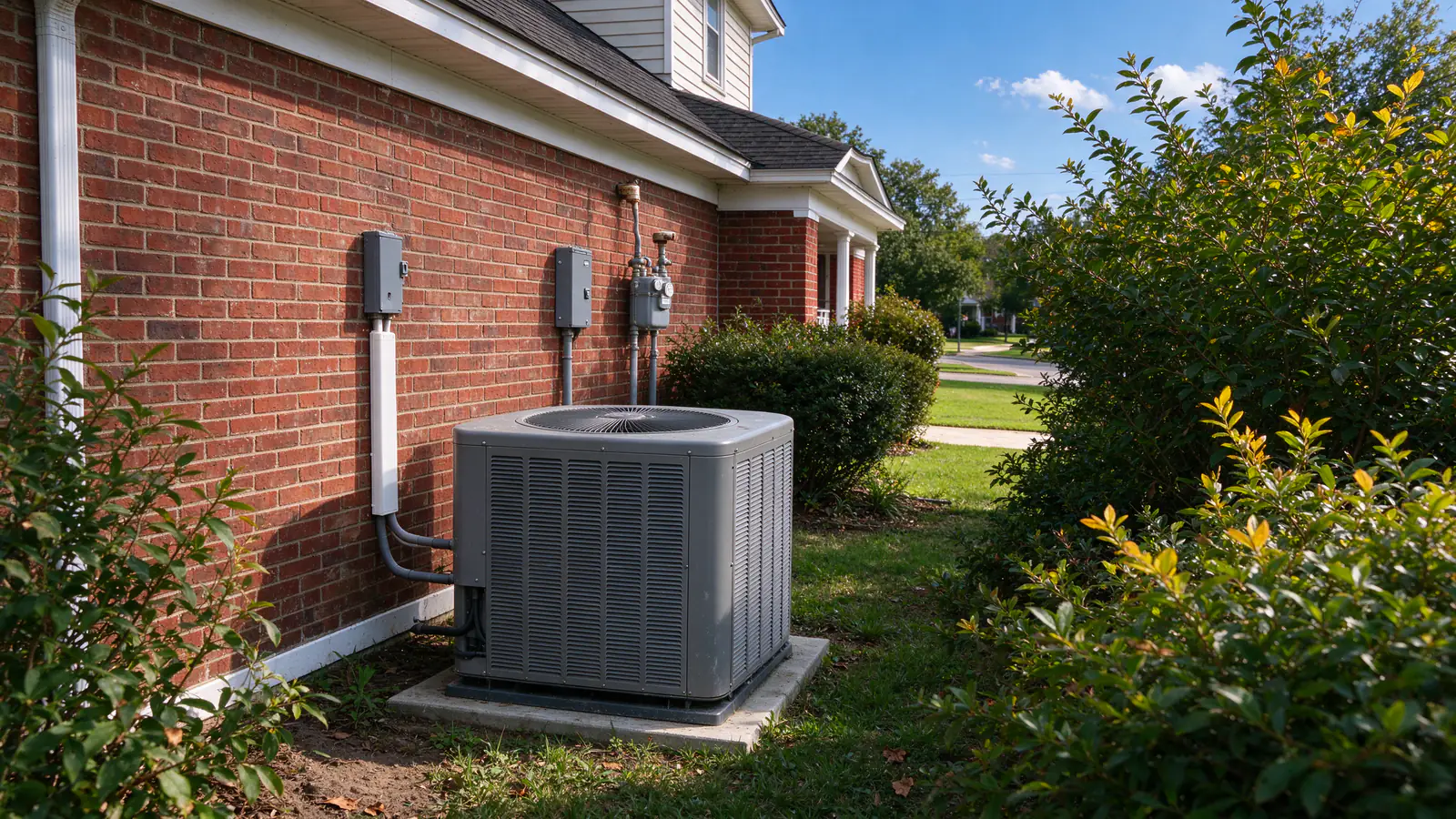
The outdoor unit usually goes where the old AC sat. We set it on a raised pad so ice and meltwater drain away, keep the clearances the maker lists, and keep it off the bedroom side where the lot allows.
Side yards between houses can be narrow. Sound bounces between two brick walls, so on a tight lot we measure before we promise a spot, and a variable speed unit that runs at low speed most of the year is quieter beside a neighbor’s window. Placement and noise covers the details.
Before the first visit
A Germantown visit goes faster with a few things ready:
- Photos of the nameplates on the outdoor unit and the furnace, which show their age and size.
- Where the furnace sits, whether a garage closet, the attic or a hall closet, since it decides how the new coil fits.
- Which rooms run hot or damp, especially upstairs.
- Twelve months of MLGW usage, which shows how hard the house works in summer against winter.
With those, the visit can focus on measuring the ducts and the static pressure rather than on finding the equipment.
Older ducts in 1980s houses
Where a Germantown house still has its original ductwork, the insulation and seams are around forty years old.
What wears out first:
- Flex duct sags between supports and crushes where it bends.
- Tape on old seams lets go, so ducts leak into the attic or crawlspace.
- Returns that were barely adequate for the first system can be too small for a heat pump, which needs more air per ton.
We look at the attic or crawlspace runs and measure static pressure before we quote. If the ducts need work, it goes on the estimate as its own line, priced to be done the same day as the install.
You see the static pressure reading before and after, so the improvement is measured rather than promised. TVA EnergyRight can add $300 for qualifying duct sealing and insulation.
Nearby
We work across Germantown, from Poplar Avenue to the Wolf River.
Next door, Collierville has its own building office and newer houses, and Bartlett runs its own code enforcement. Lakeland to the north has newer houses too, built around 2000. For the whole decision in order, start with the Memphis heat pump buying guide.